
Most digital eye strain comes not from screen light itself, but from tight, overworked eye muscles. If you spend hours staring at laptops, tablets or phones, learning how to relax eye muscles after screen time can reduce daily soreness, headaches and heavy-feeling eyes.
Table of Contents
Why Simple Rest Fails To Relax Eye Muscles
Closing your eyes lets them rest passively, but it cannot stretch contracted eye muscles. Eye muscles need controlled movement and focus shifting to release built-up tension, similar to stretching tight body muscles after exercise.
The American Optometric Association AOA recommends active eye movement exercises alongside regular screen breaks to ease computer vision syndrome symptoms.
Two Types Of Eye Muscle Tension
- Ciliary muscle tension: from constant near focus, causes blurry vision and difficulty refocusing.
- Extraocular muscle tension: from fixed gaze and tracking screen content, creates sore eyes and heavy eyelids.
Guided Training To Release Tense Eye Muscles

Simple Exercises to Relax Eye Muscles After Screen Time
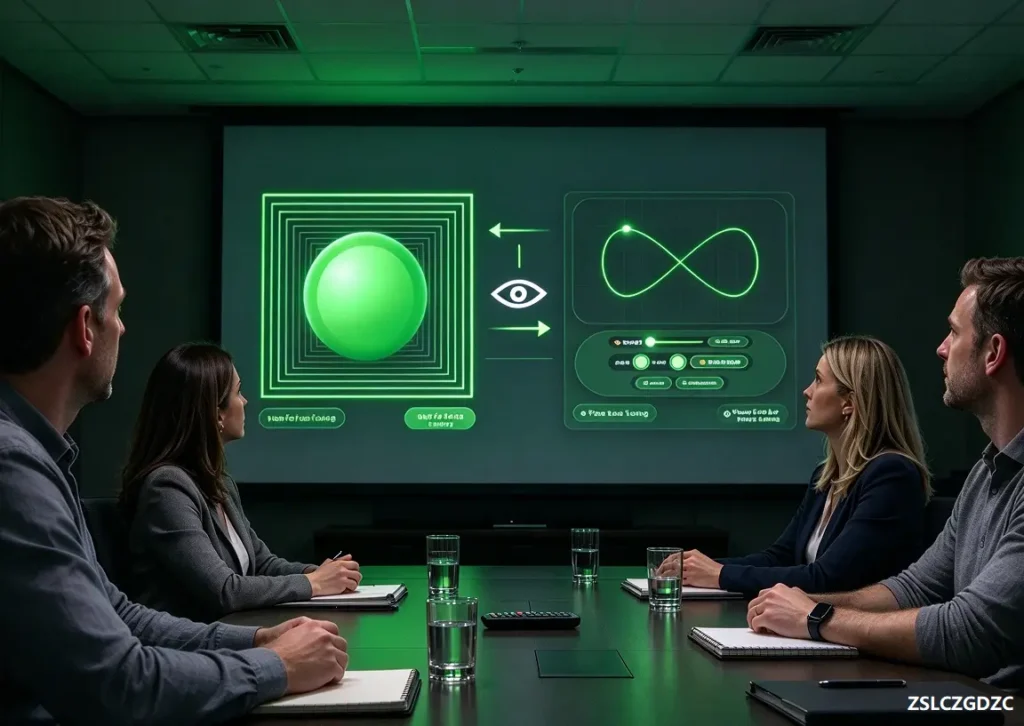
Our Near-Far Ocular Accommodation Trainer targets ciliary muscle tension by cycling focus between near and far points. The ∞ Figure Eight Ocular Muscle Trainer gently stretches extraocular muscles with smooth, controlled tracking motions.
Combine this routine with the 20-20-20 rule throughout your day to prevent tension building up.
Many office workers, students and remote workers struggle with persistent eye discomfort after spending all day working on screens. The longer your eyes stay locked on a close digital display, the more your eye muscles stay locked in a contracted state. Over time, this constant contraction creates chronic tightness, even after you shut your laptop or phone down. That is why knowing exactly how to relax eye muscles after screen time becomes a vital daily self-care habit for heavy screen users.
When your ciliary and extraocular muscles remain tense for hours, symptoms can slowly build. You may notice burning eyes, blurred near or distance vision, mild forehead tension headaches, or a heavy feeling behind your eyeballs. These are classic signs of digital eye strain, also known as computer vision syndrome. Simple eye drops or brief eye closing can moisten the surface of your eyes, but they cannot release the deep muscle tension built from hours of fixed screen gazing.
Common Mistakes When Trying To Relax Tired Eye Muscles
Many people misunderstand how to relax eye muscles after screen time. A common mistake is rubbing strained eyes vigorously; rubbing can irritate the eye surface and will not release contracted ciliary or extraocular muscles. Another mistake is only resting your eyes once your eyes already feel sore. Prevention works better than relief, so building small relaxation breaks into your workflow is smarter.
Even small daily habits accumulate tension. If you work with multiple monitors or scroll on your phone while watching a desktop screen, your eyes constantly refocus between different distances. This continuous refocusing keeps eye muscles engaged nonstop. Adding short guided eye muscle sessions helps reset your visual system before tension builds into painful strain.
Quick Daily Routine
- Take screen breaks every 20 minutes
- Complete 2–3 minutes of guided eye training at end of screen work
- Blink deeply 10 times to rehydrate eyes
- Avoid jumping straight from screen use to reading small print
Frequently Asked Questions About Relaxing Eye Muscles After Screen Time
How long does it take to relax tight eye muscles after screen use? Most people feel mild relief within 2–3 minutes of active eye training. For chronic daily strain, practicing this routine consistently for 1–2 weeks delivers more stable comfort for your eye muscles.
Can eye exercises replace eye rest? No. Active training complements rest. Closing your eyes hydrates the ocular surface, while guided movements release contracted ciliary and extraocular muscles. Combine both methods for best results when you want to relax eye muscles after screen time.
Disclaimer
Eye muscle training aids support wellness and muscle relaxation. They do not treat eye disease or correct refractive errors. Seek professional optometry care if eye pain persists.
[…] Add 2–3 minutes of eye muscle training at the end of your screen session […]
[…] Proven methods to relax overworked eye muscles following long screen exposure […]