
Think About It: Do You Know Someone Suffering Screen Eye Fatigue?
This online eye exercise tool recommendation for friends is built for you to pass simple browser-based eye relaxation tools to family, coworkers and loved ones dealing with screen eye fatigue. Take a moment and think: who in your life spends endless hours glued to screens and complains of tired eyes?
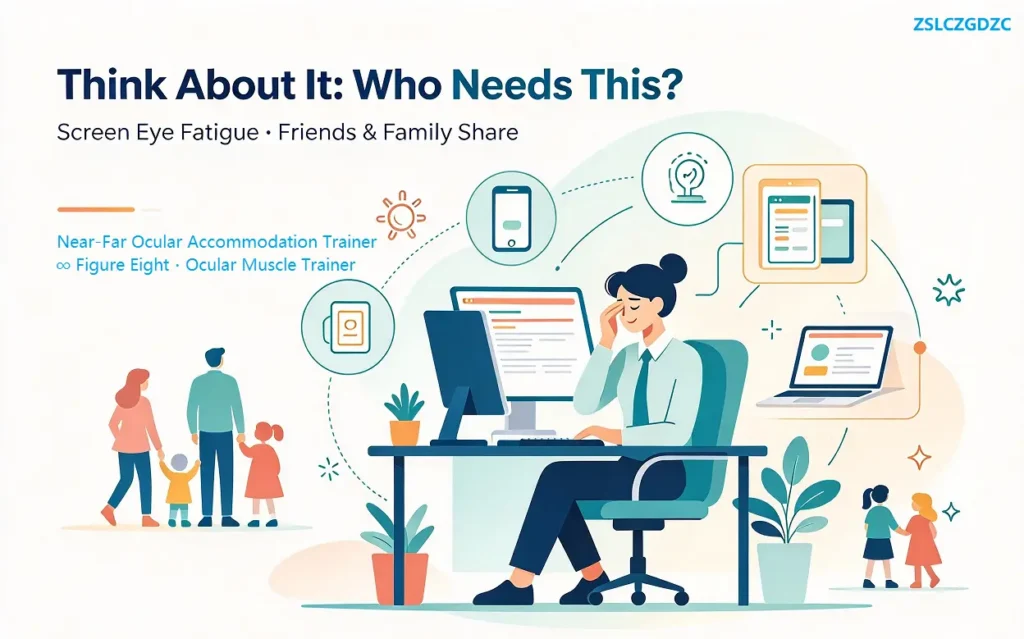
Table of Contents
It could be your office coworker stuck behind a laptop all day. It might be your teen child studying online homework. It could be your partner scrolling mobile late at night, or an older family member reading articles on a tablet. Many of our friends quietly deal with digital eye strain home training needs but never find simple, quick ways to ease eye discomfort.
After months of testing browser-based visual relaxation tools and referencing guidance from the American Optometric Association (AOA) on computer vision syndrome, I found two practical tools perfect to pass along. This online eye exercise tool recommendation for friends introduces the Near-Far Ocular Accommodation Trainer and ∞ Figure Eight・Ocular Muscle Trainer. They target different eye muscles and work best when used as a paired daily relaxation routine.
What Are These Two Online Eye Trainers Designed For?
Near-Far Ocular Accommodation Trainer: Relax Your Ciliary Muscle Online
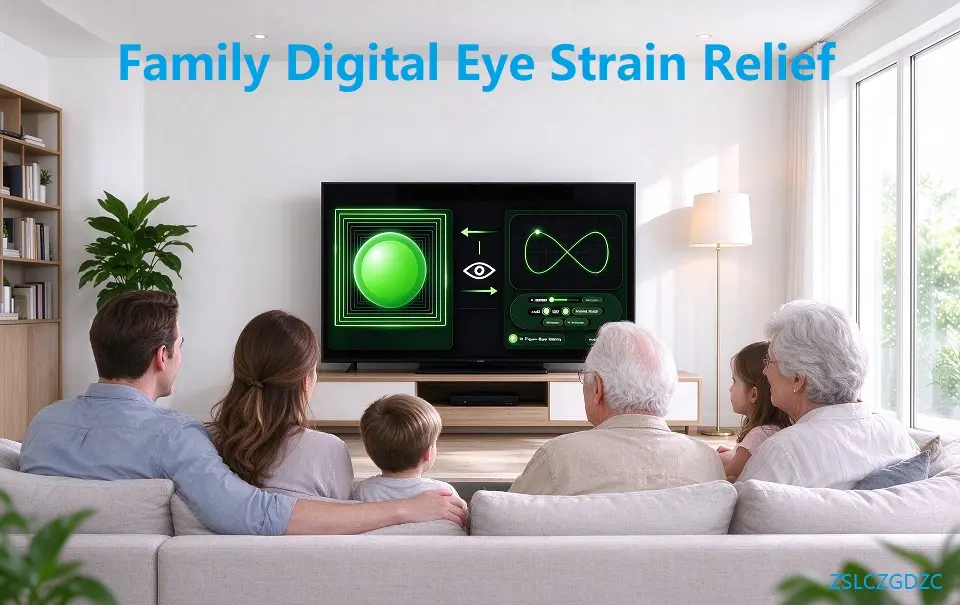
Long screen use keeps the ciliary muscle continuously tensed. This tool creates a moving target that alternates between near and simulated far viewing distances. It gently cycles contraction and release of the ciliary muscle, helping restore flexibility in eye focus and reducing that lag when shifting your gaze away from screens.
You can adjust animation speed, pick soft color themes and activate full-screen mode for a gentler experience when eyes already feel fatigued.
∞ Figure Eight・Ocular Muscle Trainer: Stretch Tense Extraocular Muscles
Staring at a fixed screen locks your eye positioning muscles in one static posture. The infinity figure-eight trainer guides your eyes to follow a marker along a continuous loop path. This gentle movement stretches stiff extraocular muscles, supports blood circulation around the eye area and relieves the heavy, locked feeling many screen users experience after long sessions.
How To Use The Two Trainers Together For Better Eye Relaxation
These two tools complement each other, and you can share this simple routine directly with your friends and family when you send them this online eye exercise tool recommendation for friends:
- Start with the Near-Far Trainer for 1–2 minutes to relax ciliary muscle online and reset your focusing system after close screen work.
- Then switch to the Figure Eight Trainer for another 1–2 minutes to stretch out tight extraocular muscles.
- Use this combined routine 2 to 3 times throughout the day during screen breaks.
- Pair with the AOA 20-20-20 rule: every 20 minutes, look at an object 20 feet away for 20 seconds for maximum eye comfort.
There is no strict requirement to use both together. If your friend only has 60 seconds for a break, either tool works fine on its own.
What Comfort Effects Can Friends Expect?
These are auxiliary relaxation tools and will not cure eye disease or change prescription. With consistent short daily practice, many users notice these mild comfort improvements:
- Less heavy, sore eye feeling after long laptop or phone sessions
- Faster refocusing when switching between close screens and distant objects
- Reduced stiff, tired sensation around the eye sockets
- More natural blinking during screen work after forming a regular break habit
Who Are These Online Eye Trainers Best Suited For?
Think of these groups when deciding which friends or family members to share this online eye exercise tool recommendation for friends:
- Office workers, remote employees, programmers and writers spending 4+ hours daily on computer screens
- Students doing online classes, digital homework or reading on tablets and phones
- Content creators, social media users and gamers with extended screen time
- Anyone who often reports heavy eyes, slow focus shift or mild eye discomfort after screen use
They are browser-based, no downloads needed, making them simple to send via message to friends and family. This online eye exercise tool recommendation for friends is especially valuable for remote teams, who can share this simple eye break routine during team meetings.
Pass These Simple Eye Relaxation Tools To Your Friends & Family
You’ve probably already pictured a specific person in your mind — someone who always rubs their eyes after work, or complains their vision feels blurry after scrolling for hours. This quick eye break routine could be a thoughtful little gift for them, thanks to this online eye exercise tool recommendation for friends.
Just copy the link and send it through text, social media or email. Your friends can open it instantly in their browser, try a short session during their next screen break. It’s a small, caring way to help people you care about build better screen-time eye habits.
Important Precaution Guidance To Share With Your Loved Ones
Make sure to tell friends these key safety notes before they begin:
- Stop right away if you experience eye pain, dizziness, nausea or sudden blurred vision.
- Wear properly fitted prescription glasses during training if you have refractive errors.
- Do not force your eyes to chase moving targets; always keep movements gentle.
- Persistent eye discomfort requires a visit to an optometrist or ophthalmologist for professional examination.
Safety & Medical Disclaimer
Disclaimer: These online visual training tools are digital auxiliary programs for daily eye relaxation only. They cannot replace professional ophthalmic examinations, medical diagnosis or clinical treatment for eye disease or vision disorders. Stop training immediately if you feel eye pain, dizziness, nausea or blurred vision. Visit qualified medical institutions for persistent eye discomfort. No physical goods are provided. The tools do not provide medical diagnosis, eye disease treatment or vision correction services.
Reference: AOA official page for computer vision syndrome / digital eye strain